Commissioned by Foundation Fürst-Pückler Museum, Park and Palace Branitz and within the framework of a EFRE/ELR project
duration 2025 — 2027
Preserving Historic Trees for Branitz Park by in vitro Multiplication Production
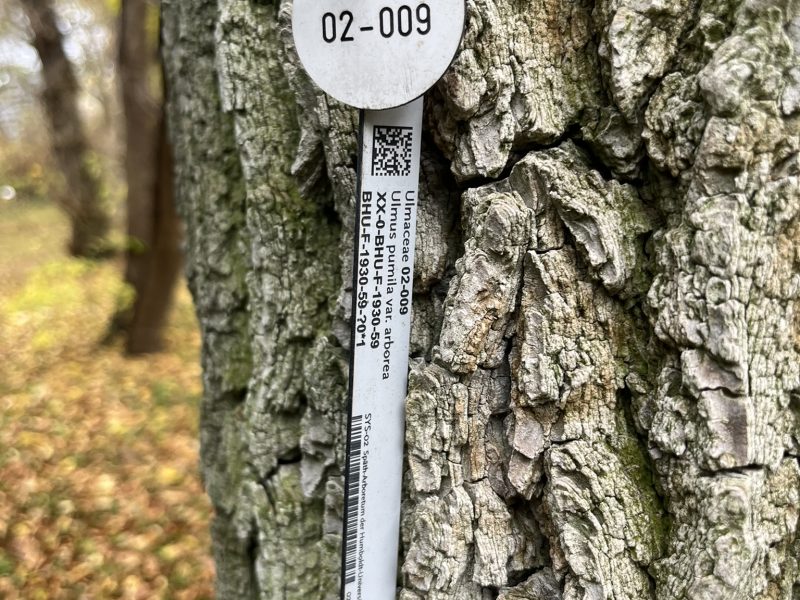
Garden monuments are facing many problems arising from longterm cultivation and not at least climate change: death of trees due to prolonged droughts, late frosts, and extreme heat. Branitz Park, a unique cultural landscape shaped by Fürst Pückler in 1845/46 is claiming loss of several valuable trees, individually selected and planted since 1846 by one of the most famous German landscape architects of the 19th century, Hermann Fürst von Pückler-Muskau. To ensure the conservation of these resilient genotypes and varieties, we are collaborating with the colleagues from the Baumuniversität of Foundation Pückler Museum — Branitz Park and Palace (SFPM) on multiplication of individual tree genotypes from Fürst-Pückler-Park Branitz. The Späth-Arboretum of Humboldt-Universität zu Berlin provides an exceptional resource with 1,100 tree and shrub species and over 40 years of expertise in in vitro culture. Branitz contributes decades of practical experience in field cultivation and tree nursery management.
Our Key Objectives are:
Select historically significant trees and varieties due to their growth characteristics
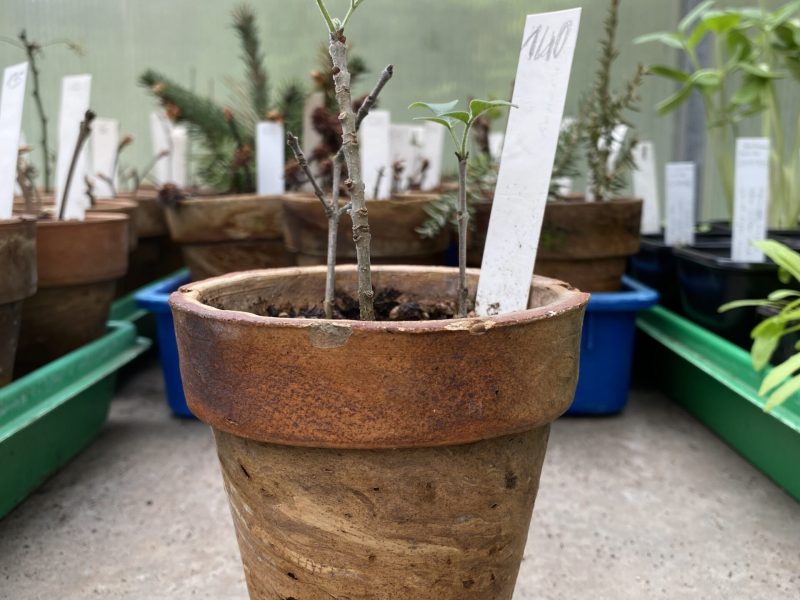
Produce true-to-type, root-grown (i.e. not grafted) trees to produce stabile and resilient plants
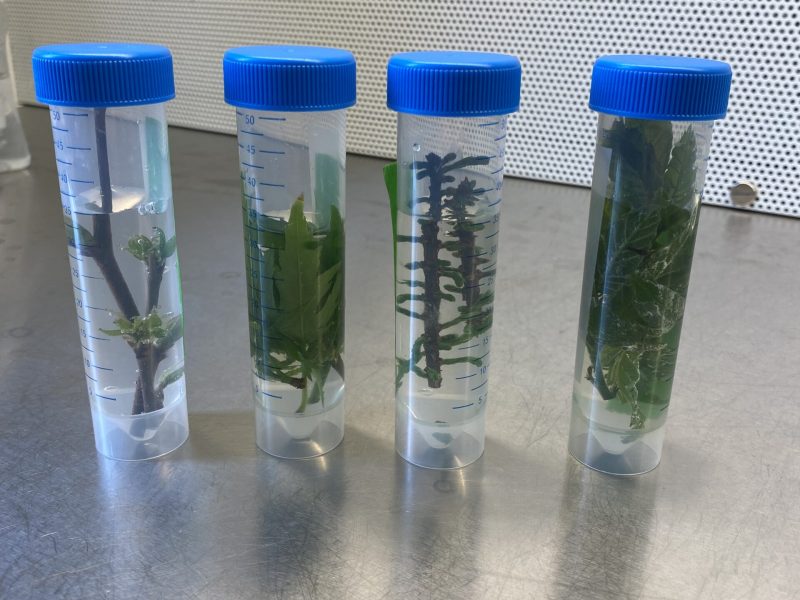
Establish in vitro cultures when traditional vegetative propagation fails, propagation material is scarce or only seasonally available
Complement or replace affected single plants by comparable trees from the Späth-Arboretum of Humboldt-Universität zu Berlin
Set up a living collection and preserve the trees for the future